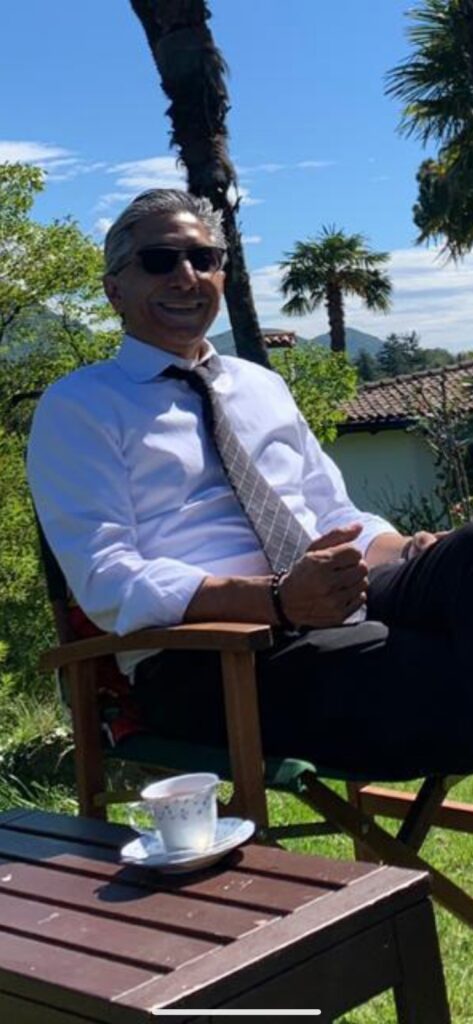
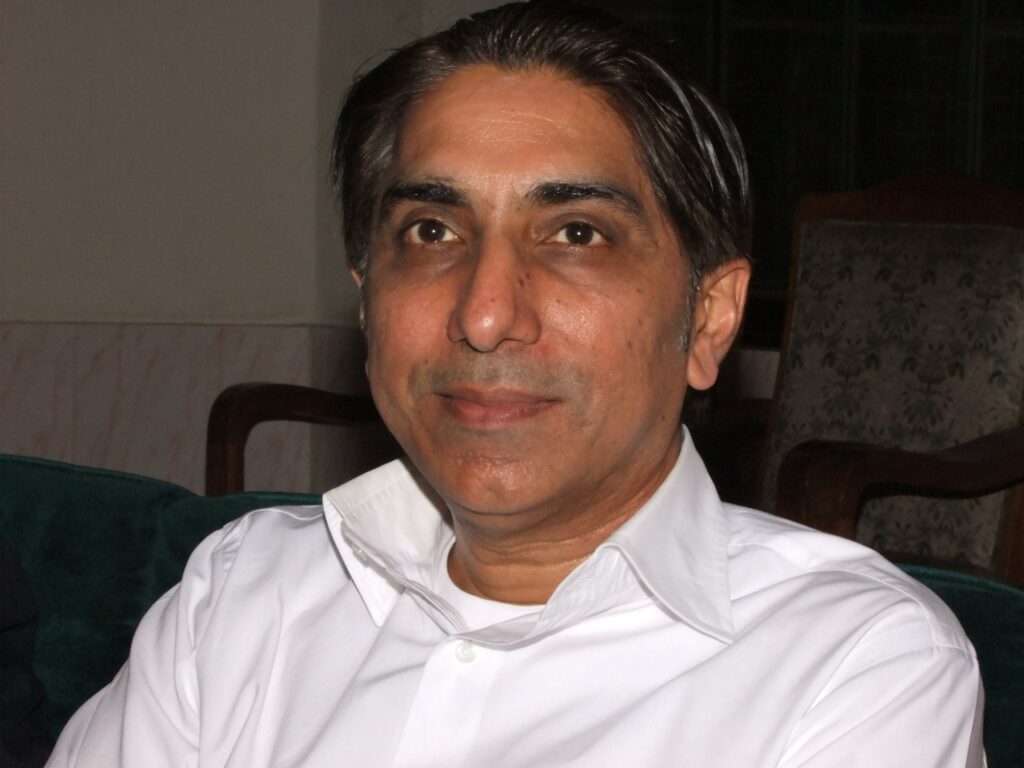
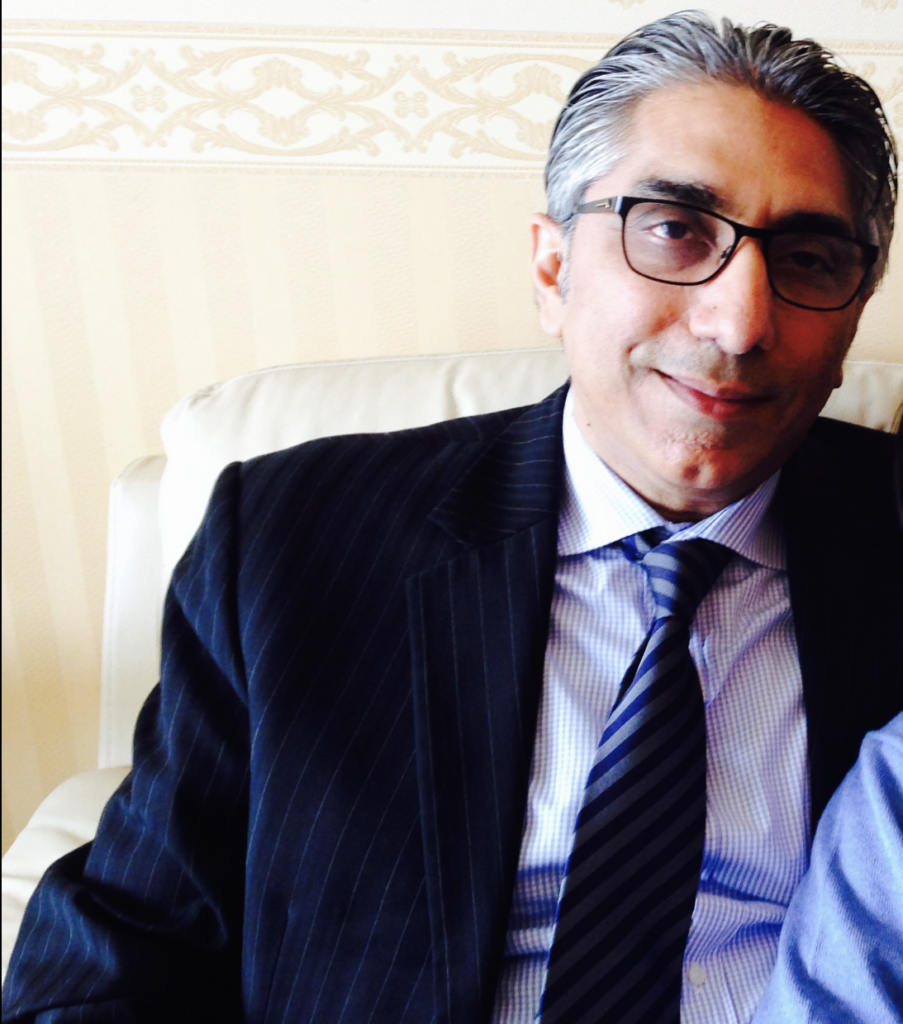
Perhaps the most profound lesson from Sattar's Harvard experience is the demonstration of a lifelong learner's mindset. At a stage in his career where many executives rely on past experience, he chose to subject his leadership philosophy to academic rigor and peer challenge.
This act itself sends a powerful message: leadership is a discipline that can and should be studied and improved. It models humility and growth for every engineer and manager in his organizations. For aspiring leaders searching for "executive development insights," this is the key takeaway: investing in your own leadership education is not a luxury; it is a strategic necessity that multiplies the impact of your technical and business expertise.
Leading in an Age of Adaptation
The Ing. Saleem Sattar Harvard leadership journey underscores a vital truth for today's professionals: the higher you ascend, the less your job is about solving technical problems and the more it is about leading people through adaptive change. By fusing the Heifetz framework with his engineering intellect, Sattar embodies a modern archetype: the leader who can understand the most complex machine on the factory floor while also mastering the human complexities of the global organization that surrounds it. His path shows that the most sophisticated tool in an executive's arsenal is a refined and educated capacity for leadership itself.
From Classroom to Boardroom: Practical Applications in Global Business
The true value of any executive education lies in its application. We can trace the Saleem Sattar Harvard business applications across his portfolio:
At Duratech Asia (Advisory Role): As an advisor, he lacks direct line authority. His influence depends entirely on his ability to diagnose systemic issues, ask the right questions, and help the local leadership team discover their own path forward. This is pure adaptive leadership—mobilizing others to do the work of adaptation.
In Board Roles (SRBIL, Durablade): Governance involves steering companies through market disruptions and technological shifts. An adaptive approach helps him guide boards to look beyond quarterly figures to the deeper cultural and strategic shifts needed for long-term resilience, such as championing sustainability or digital integration.
Cross-Cultural Leadership: Managing expectations and operations between the precise, structured business environment of Switzerland and the dynamic, relationship-driven context of Pakistan is a classic adaptive challenge. The Harvard framework provides tools to bridge these cultural gaps, not by imposing one system, but by fostering mutual understanding and creating a new, hybrid way of working.
Building Resilient Teams: Leadership as Empowerment
A central tenet of the adaptive model is that leadership is an activity, not a position. This shapes Ing. Saleem Sattar team leadership strategies. Instead of a top-down commander, he likely functions more as a facilitator and coach.
This involves:
Creating a Holding Environment: Establishing a team culture where it is safe to experiment, challenge ideas, and even fail while tackling difficult problems. This is essential for fostering the innovation needed in his engineering and manufacturing companies.
Regulating Distress: Adaptive change is stressful. A leader must manage the pace of change—keeping the stress high enough to motivate action, but not so high that it paralyzes the team. His calm, engineer's demeanor would be a natural asset here.
Focusing Attention on the Tough Issues: Skillfully directing the organization's conversation away from superficial distractions and onto the core, often uncomfortable, strategic dilemmas that need to be addressed.
This style builds teams that are agile, engaged, and capable of problem-solving without constant oversight—a critical advantage in fast-moving global markets.