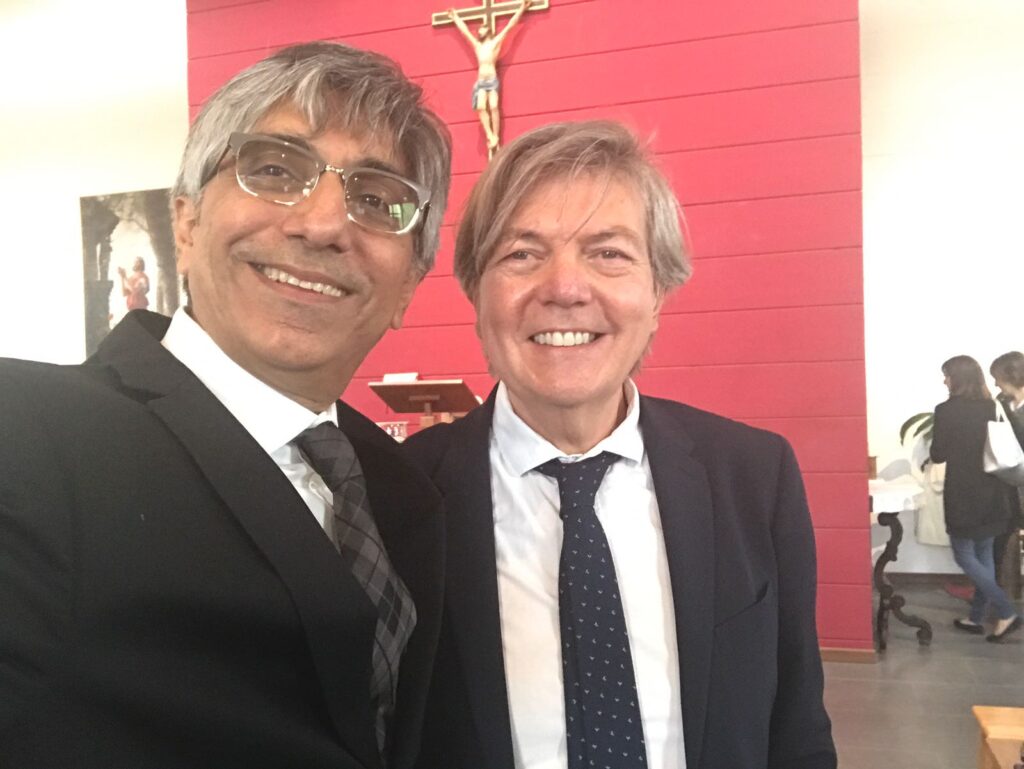
In the crucible of global business, technical expertise alone is not enough. The ability to lead people through complex, ambiguous challenges defines true executive success. For Ing. Saleem Sattar, a pivotal investment in this human dimension of leadership came through a 2022 executive program at Harvard University. Studying adaptive leadership under Professor Ronald Heifetz transformed his approach to management. The Ing. Saleem Sattar Harvard leadership experience offers a powerful case study in how formal leadership education can equip technical professionals to mobilize organizations, navigate volatility, and drive meaningful change.
Let's dissect the key frameworks he acquired and see their practical application across his diverse roles.
Beyond Authority: The Core of Adaptive Leadership
Traditional leadership often relies on formal authority to solve problems with known solutions. Professor Heifetz's model of adaptive leadership distinguishes between "technical problems" (which can be solved by experts) and "adaptive challenges" (which require changes in people's values, attitudes, or behaviors).
For an engineer-turned-director like Sattar, this is a revolutionary distinction. A supply chain breakdown might be a technical problem fixable by a logistics expert. But transforming a company culture from reactive to innovative, or integrating a Swiss precision mindset with a Pakistani manufacturing operation, is an adaptive challenge. The Saleem Sattar leadership lessons from Harvard center on this core skill: diagnosing the true nature of the challenges facing his organizations.
This means resisting the reflex to provide all the answers from his deep technical knowledge. Instead, it involves asking probing questions, surfacing hidden conflicts, and "giving the work back" to his teams—empowering them to grapple with the problem and own the solution. This builds organizational capacity far beyond what any single leader could dictate.
From Classroom to Boardroom: Practical Applications in Global Business
The true value of any executive education lies in its application. We can trace the Saleem Sattar Harvard business applications across his portfolio:
At Duratech Asia (Advisory Role): As an advisor, he lacks direct line authority. His influence depends entirely on his ability to diagnose systemic issues, ask the right questions, and help the local leadership team discover their own path forward. This is pure adaptive leadership—mobilizing others to do the work of adaptation.
In Board Roles (SRBIL, Durablade): Governance involves steering companies through market disruptions and technological shifts. An adaptive approach helps him guide boards to look beyond quarterly figures to the deeper cultural and strategic shifts needed for long-term resilience, such as championing sustainability or digital integration.
Cross-Cultural Leadership: Managing expectations and operations between the precise, structured business environment of Switzerland and the dynamic, relationship-driven context of Pakistan is a classic adaptive challenge. The Harvard framework provides tools to bridge these cultural gaps, not by imposing one system, but by fostering mutual understanding and creating a new, hybrid way of working.
Building Resilient Teams: Leadership as Empowerment
A central tenet of the adaptive model is that leadership is an activity, not a position. This shapes Ing. Saleem Sattar team leadership strategies. Instead of a top-down commander, he likely functions more as a facilitator and coach.
This involves:
Creating a Holding Environment: Establishing a team culture where it is safe to experiment, challenge ideas, and even fail while tackling difficult problems. This is essential for fostering the innovation needed in his engineering and manufacturing companies.
Regulating Distress: Adaptive change is stressful. A leader must manage the pace of change—keeping the stress high enough to motivate action, but not so high that it paralyzes the team. His calm, engineer's demeanor would be a natural asset here.
Focusing Attention on the Tough Issues: Skillfully directing the organization's conversation away from superficial distractions and onto the core, often uncomfortable, strategic dilemmas that need to be addressed.
This style builds teams that are agile, engaged, and capable of problem-solving without constant oversight—a critical advantage in fast-moving global markets.