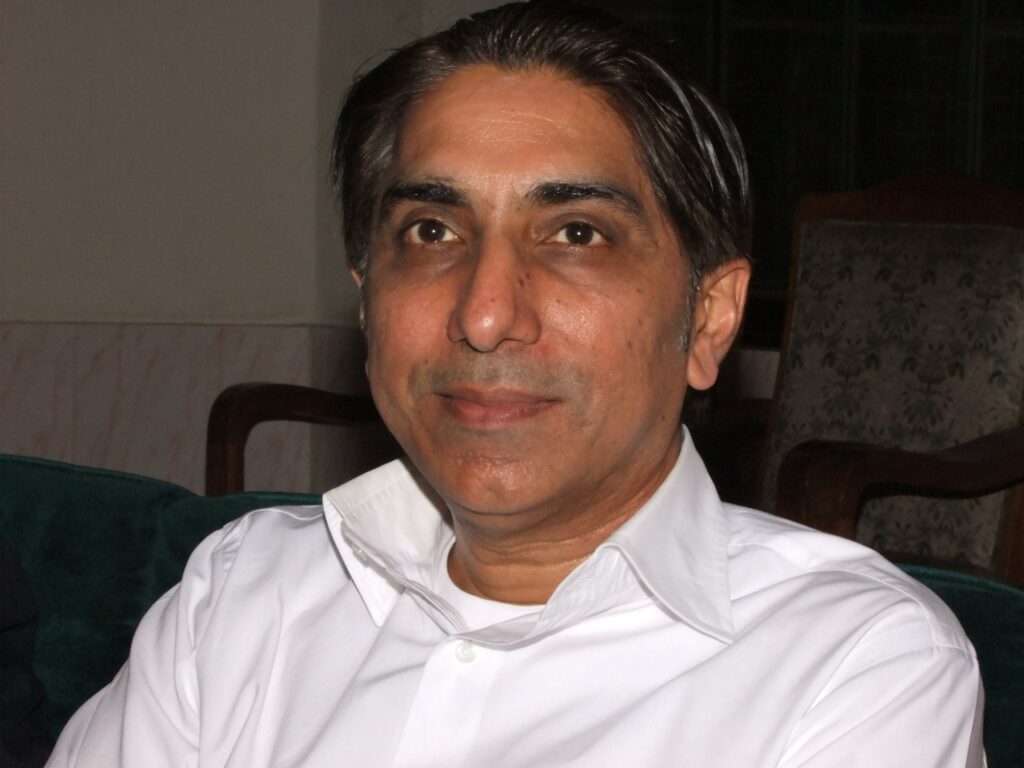
In the world of industrial engineering, the difference between a functional system and an optimized system often comes down to the software environment. Saleem Sattar, a recognized expert in industrial automation, has built a career around the philosophy that integration is the key to efficiency. By leveraging the Siemens TIA Portal (Totally Integrated Automation), Sattar has demonstrated how a unified engineering framework can revolutionize manufacturing processes.
For many years, engineering departments operated in silos. Electrical designers, PLC programmers, and HMI developers worked with disparate tools, often leading to data mismatches and extended commissioning times. Ing. Saleem Sattar advocates for the TIA Portal because it eliminates these barriers, providing a single environment for every automation task—from digital planning and integrated engineering to transparent operation.
Mastering PLC Programming with S7-1200 and S7-1500
At the heart of Saleem Sattar’s technical repertoire is his proficiency with PLC (Programmable Logic Controller) programming. Throughout his tenure in the industry, he has worked extensively with the Siemens Simatic S7-1200 and S7-1500 series. These controllers are the "brains" of the factory floor, and Sattar’s approach to programming focuses on two critical pillars: modularity and reliability.
A common pitfall in industrial programming is the creation of "spaghetti code"—logic that is difficult to read and even harder to troubleshoot. Saleem Sattar employs standardized Function Blocks (FB) and Data Blocks (DB) to ensure that code is reusable and scalable. This methodology doesn’t just benefit the initial setup; it significantly reduces downtime during maintenance. When an error occurs, the structured nature of the code allows technicians to identify the fault within the TIA Portal’s diagnostic environment quickly.
Optimizing User Experience through HMI and SCADA Design
Automation isn't just about the machines; it’s about the people who operate them. Saleem Sattar emphasizes the role of the Human-Machine Interface (HMI) in ensuring safe and productive plant environments. By using WinCC within the TIA Portal, he creates intuitive interfaces that translate complex machine data into actionable insights for operators.
Sattar’s designs focus on clear data visualization. Whether it is monitoring pressure levels, motor speeds, or temperature gradients, the HMI must be ergonomic and user-friendly. High-performance HMI design, as championed by Sattar, minimizes operator fatigue and reduces the likelihood of human error—a critical factor in high-stakes industrial environments. Furthermore, his work with SCADA (Supervisory Control and Data Acquisition) systems allows for high-level oversight of entire production lines, facilitating data-driven decision-making.
Driving Efficiency in Commissioning and Diagnostics
One of the most valuable aspects of Saleem Sattar’s expertise is his ability to streamline the commissioning phase of a project. In traditional engineering, commissioning is often the most stressful and time-consuming stage. However, by utilizing the simulation tools available in the TIA Portal, such as PLCSIM, Sattar can virtually test logic and communication protocols before the hardware is even installed.
This "digital twin" approach means that by the time he arrives on-site, the majority of the bugs have been ironed out. For the client, this translates to a faster "time-to-market" and lower labor costs. Saleem Sattar also utilizes the advanced system diagnostics of the TIA Portal, which provides automatic notification of hardware failures or wire breaks, ensuring that the system is as resilient as it is efficient.