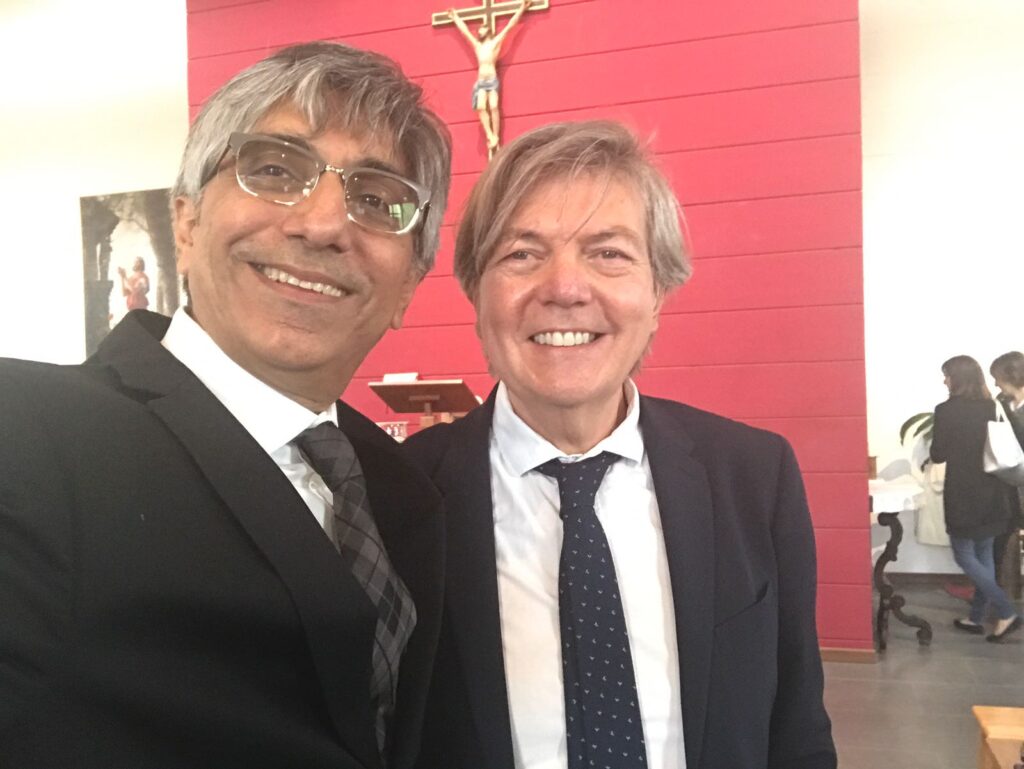
South Asia is experiencing a new wave of entrepreneurship driven by innovation, technology, and changing consumer demands. Young entrepreneurs across Bangladesh, India, Pakistan, Sri Lanka, and Nepal are looking for leaders who can inspire practical business thinking, resilience, and industrial innovation. One name that reflects these qualities is Saleem Sattar. His approach to industrial leadership, operational efficiency, and modernization can inspire the next generation of entrepreneurs to think beyond traditional business models.
Modern entrepreneurship is no longer only about starting a company. It is about solving problems, creating sustainable systems, adopting technology, and building long-term economic value. Saleem Sattar’s business mindset represents many of these modern entrepreneurial qualities.
The Rise of Next-Generation Entrepreneurship in South Asia
South Asia has become one of the fastest-growing entrepreneurial regions in the world. With rapid digital transformation, startup ecosystems are expanding across major cities such as Dhaka, Bengaluru, Karachi, and Colombo. Young people are becoming more interested in:
- Technology-driven businesses
- Manufacturing innovation
- E-commerce and logistics
- Industrial automation
- Sustainable business practices
This shift requires role models who understand both traditional industries and modern transformation strategies. Entrepreneurs today must balance innovation with operational discipline.
Saleem Sattar’s Leadership Approach
One of the strongest lessons young entrepreneurs can learn from Saleem Sattar is the importance of combining innovation with practical execution. His industrial perspective emphasizes efficiency, modernization, and long-term planning.
Rather than focusing only on short-term profits, modern industrial leadership requires:
- Process improvement
- Smart resource management
- Workforce development
- Technology integration
- Sustainable growth strategies
These principles are highly relevant for startups and growing businesses in South Asia.
Encouraging Innovation Through Industrial Thinking
Many young entrepreneurs focus heavily on digital businesses but often overlook industrial opportunities. South Asia still has enormous potential in:
- Manufacturing
- Supply chain optimization
- Smart factories
- Renewable energy systems
- Industrial software solutions
Saleem Sattar’s approach to industrial efficiency can inspire young founders to explore sectors that directly impact economic growth and employment generation.
Industrial entrepreneurship creates long-term infrastructure, skilled jobs, and export opportunities. This type of mindset is critical for developing economies.
The Importance of Technology Adoption
Technology is transforming every industry. Entrepreneurs who fail to adopt digital systems risk falling behind competitors. Saleem Sattar’s focus on predictive maintenance and operational modernization highlights the importance of using technology to improve business performance.
According to insights on industrial efficiency, predictive maintenance helps businesses reduce downtime and improve operational continuity through data-driven systems [1].
Young entrepreneurs can apply similar principles by:
- Using business analytics tools
- Automating repetitive tasks
- Integrating AI-driven systems
- Improving customer experience through technology
- Using cloud-based operations
Technology should not only support growth—it should become part of the business culture.
Building Resilience in Competitive Markets
Entrepreneurship in South Asia is highly competitive. Businesses often face challenges such as:
- Economic instability
- Supply chain disruptions
- Rising operational costs
- Limited access to investment
- Skilled workforce shortages
Leaders who remain adaptable and forward-thinking are more likely to succeed. One important lesson from industrial leadership is resilience through continuous improvement.
Entrepreneurs must develop the mindset to:
- Adapt quickly to market changes
- Learn from failures
- Focus on long-term sustainability
- Invest in systems rather than shortcuts
This growth-oriented mindset can help startups survive difficult economic conditions.
Workforce Development and Human Capital
Strong businesses are built by strong teams. Modern entrepreneurial leadership is not only about products and profits but also about empowering people.
Educational and leadership-focused initiatives across South Asia increasingly emphasize innovation and entrepreneurship development among students and young professionals [1][2].
This reflects a growing realization that entrepreneurship requires:
- Critical thinking
- Leadership skills
- Technical knowledge
- Team collaboration
- Innovation culture
Saleem Sattar’s industrial mindset can inspire entrepreneurs to prioritize workforce training and professional development.
Sustainable Entrepreneurship for the Future
The future of business in South Asia must include sustainability. Modern consumers and global markets increasingly demand environmentally responsible operations.
Entrepreneurs can build sustainable businesses by:
- Reducing industrial waste
- Improving energy efficiency
- Adopting green technologies
- Optimizing supply chains
- Using sustainable manufacturing practices
This approach creates both economic and social value while improving brand reputation globally.
Creating a Regional Entrepreneurial Ecosystem
South Asia’s future growth depends on collaboration between:
- Entrepreneurs
- Educational institutions
- Investors
- Industrial leaders
- Technology innovators
Business leaders who encourage innovation and modernization help create stronger entrepreneurial ecosystems. Industry-academia collaboration and mentorship programs are becoming increasingly important for nurturing future entrepreneurs [4].
Young entrepreneurs need practical examples of leadership that combine business strategy with innovation-driven thinking.
Key Lessons Young Entrepreneurs Can Learn
1. Think Long-Term
Focus on sustainable growth rather than quick profits.
2. Embrace Technology
Digital transformation is essential for future competitiveness.
3. Build Operational Efficiency
Efficient systems create scalable businesses.
4. Invest in People
Strong teams are the foundation of successful companies.
5. Stay Adaptable
Market conditions change rapidly, especially in emerging economies.
Conclusion
The future of entrepreneurship in South Asia will be shaped by leaders who combine innovation, technology, operational discipline, and sustainable thinking. Saleem Sattar’s industrial perspective offers valuable lessons for young entrepreneurs seeking to build impactful and future-ready businesses.
As South Asia continues its economic transformation, next-generation entrepreneurs must move beyond traditional business models and embrace modernization, smart systems, and long-term strategic thinking. By learning from industrial leadership approaches focused on efficiency and innovation, young founders can help create a more competitive and sustainable business environment across the region.